A video conferencing system has become one of the most important communication technologies for businesses, educational institutions, healthcare providers, and remote teams. Modern organizations rely on advanced conferencing systems to conduct virtual meetings, online presentations, remote training sessions, and collaborative discussions without geographical limitations. As hybrid work environments continue growing, companies are investing heavily in reliable video conferencing technology to improve productivity and communication efficiency.
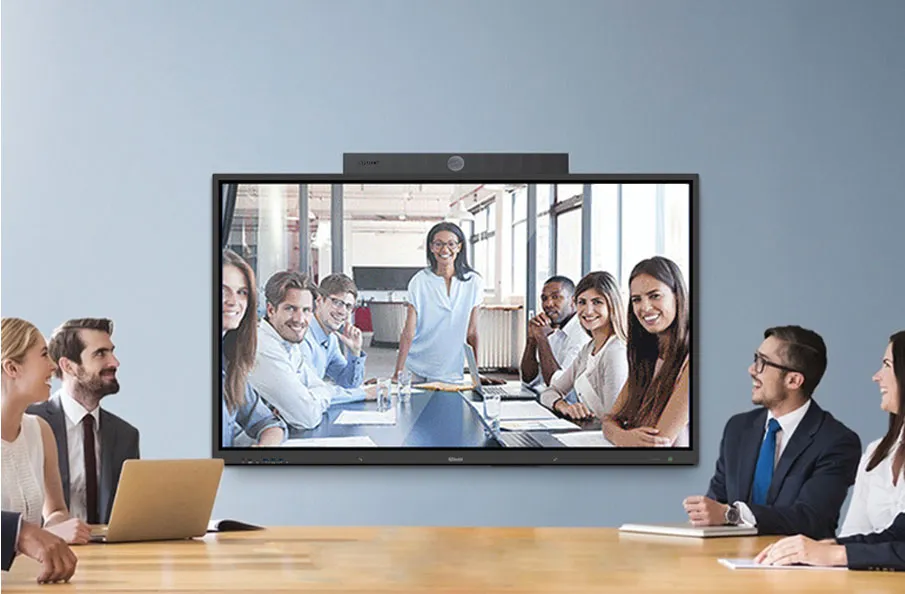
Traditional office communication methods have evolved significantly due to digital transformation and remote collaboration trends. Businesses now use smart video conferencing systems that combine high-definition cameras, conference microphones, cloud-based meeting software, interactive displays, and wireless collaboration tools into a seamless communication platform. These systems allow teams to connect instantly while maintaining professional audio and video quality.
The increasing demand for remote work solutions has accelerated the growth of video conferencing technology across multiple industries. Educational institutions use virtual classroom systems for online learning, while healthcare providers depend on telemedicine conferencing platforms for remote consultations. Government organizations, financial institutions, and multinational corporations also rely on secure conferencing systems to support daily operations and international communication.
Modern video conferencing systems are designed to deliver more than simple video calls. Advanced communication platforms now include artificial intelligence, automated meeting controls, live transcription, cloud integration, and collaboration software that enhance user experience and meeting performance. These innovations are helping businesses create smarter and more connected workplaces.
Professional Video Conferencing System for Business Collaboration
Businesses require professional video conferencing systems to support communication between employees, clients, and remote teams. Corporate conference rooms are increasingly equipped with integrated audio visual technology that delivers high-quality virtual collaboration experiences.
A modern conference room conferencing system typically includes HD or 4K cameras, noise-canceling microphones, speaker systems, digital displays, and centralized control software. High-definition conferencing cameras provide clear visuals while advanced microphones ensure crystal-clear audio communication. These technologies help create natural interactions during virtual meetings and presentations.
Cloud-based conferencing systems are becoming increasingly popular because they provide flexibility and scalability for organizations of all sizes. Employees can join meetings from laptops, smartphones, tablets, or dedicated conference room devices regardless of their location. Cloud conferencing platforms also simplify scheduling, software updates, and remote management while reducing hardware maintenance requirements.
Wireless presentation systems have improved meeting room efficiency by allowing users to share presentations and documents instantly without cable connections. These wireless collaboration tools create cleaner workspaces and simplify communication during conferences and brainstorming sessions.
Artificial intelligence is now playing a major role in modern conferencing systems. AI-powered meeting technology includes features such as automatic speaker tracking, background noise suppression, voice recognition, and live transcription. Intelligent conferencing software improves communication quality while reducing technical disruptions and enhancing meeting productivity.
Hybrid work environments have increased the need for smart conferencing systems capable of supporting both remote and in-office participants equally. Businesses now design conference rooms with advanced collaboration technology that ensures all attendees can participate naturally regardless of physical location.
Remote professionals also depend on personal conferencing setups to maintain professional communication standards. Home office conferencing systems often include HD webcams, USB microphones, headsets, and lighting equipment that support high-quality virtual meetings.
Advanced Features in Modern Video Conferencing System Technology
Modern
video conferencing system technology includes several advanced features designed to improve collaboration and communication efficiency. One of the most important developments is ultra-high-definition video quality. Many organizations now prefer 4K conferencing systems because they provide sharper visuals and more realistic meeting experiences.
Audio quality remains a critical factor in professional conferencing environments. Advanced conference microphones with echo cancellation and intelligent sound processing ensure clear communication even in large meeting spaces. Ceiling-mounted microphones and wireless speaker systems help distribute sound evenly while minimizing background interference.
Interactive collaboration tools are transforming virtual meetings into more engaging experiences. Digital whiteboards, touch displays, and real-time document sharing allow participants to brainstorm ideas, edit content, and collaborate more effectively. These tools improve teamwork and help organizations maintain productivity during remote communication.
Security has become another major priority for businesses using online communication platforms. Professional video conferencing systems now include encrypted communication channels, secure authentication methods, password-protected meetings, and cloud security integration. Organizations rely on these security features to protect sensitive business information and confidential discussions.
Integration with workplace productivity tools is also becoming increasingly important. Modern conferencing platforms connect with project management software, calendar applications, cloud storage systems, and communication platforms to create a unified digital workspace. This integration simplifies workflow management and improves operational efficiency.
Healthcare and education sectors are benefiting greatly from advanced conferencing technology as well. Telemedicine systems use secure video communication platforms to connect healthcare professionals with patients remotely. Educational institutions rely on virtual classroom systems for online lectures, digital assignments, and collaborative learning experiences.
Mobile conferencing technology continues growing as businesses adopt flexible work models. Portable conferencing devices and mobile collaboration applications allow professionals to participate in meetings while traveling or working remotely. These mobile conferencing solutions provide convenience without sacrificing communication quality.
Future Developments in Video Conferencing System Solutions
The future of video conferencing system technology is expected to bring even greater innovation to digital communication environments. Artificial intelligence, augmented reality, cloud computing, and immersive collaboration tools will continue transforming virtual meeting experiences.
Artificial intelligence will further improve conferencing systems through automated scheduling, predictive audio optimization, facial recognition, and real-time language translation. AI-powered conferencing platforms may soon provide intelligent meeting summaries, automated action tracking, and advanced participant analytics.
Virtual reality and augmented reality technologies are expected to create immersive virtual meeting spaces where participants can interact in realistic digital environments. These innovations may replace traditional video call layouts with more engaging and interactive communication experiences.
The expansion of 5G internet connectivity will significantly improve conferencing performance by reducing latency and enabling smoother high-definition video streaming. Faster network speeds will support real-time collaboration, ultra-HD communication, and uninterrupted virtual meetings.
Cloud-based conferencing infrastructure will remain an important part of future communication strategies. Businesses operating globally can manage conferencing systems more efficiently through centralized cloud platforms that support remote updates, analytics, and system monitoring.
Sustainability is another important advantage of modern video conferencing systems. Virtual communication reduces travel requirements, lowers operational expenses, and decreases carbon emissions. Many organizations now use digital collaboration technology as part of their environmental sustainability initiatives.
As digital transformation continues expanding across industries, organizations will increasingly depend on advanced conferencing systems for communication and collaboration. Businesses investing in modern conferencing technology today can improve productivity, strengthen global communication, and remain competitive in a rapidly evolving digital environment.
Conclusion
A video conferencing system has become an essential technology for modern businesses, educational institutions, healthcare providers, and remote professionals. Advanced conferencing solutions improve communication, support hybrid work environments, and enable seamless collaboration across different industries and geographical locations.
From AI-powered meeting tools and cloud-based conferencing platforms to high-definition cameras and interactive collaboration systems, modern video conferencing technology continues transforming the way people communicate and work together. Organizations investing in reliable conferencing systems benefit from better productivity, stronger teamwork, and more efficient communication processes.


