The portable coffee maker has become an essential gadget for coffee lovers who want fresh, high-quality coffee anytime and anywhere. In today’s fast-moving lifestyle, people are no longer limited to cafés or home kitchens for their daily caffeine fix. Whether traveling, camping, working in an office, or staying in a hotel, a portable coffee maker allows users to enjoy freshly brewed coffee without compromise.
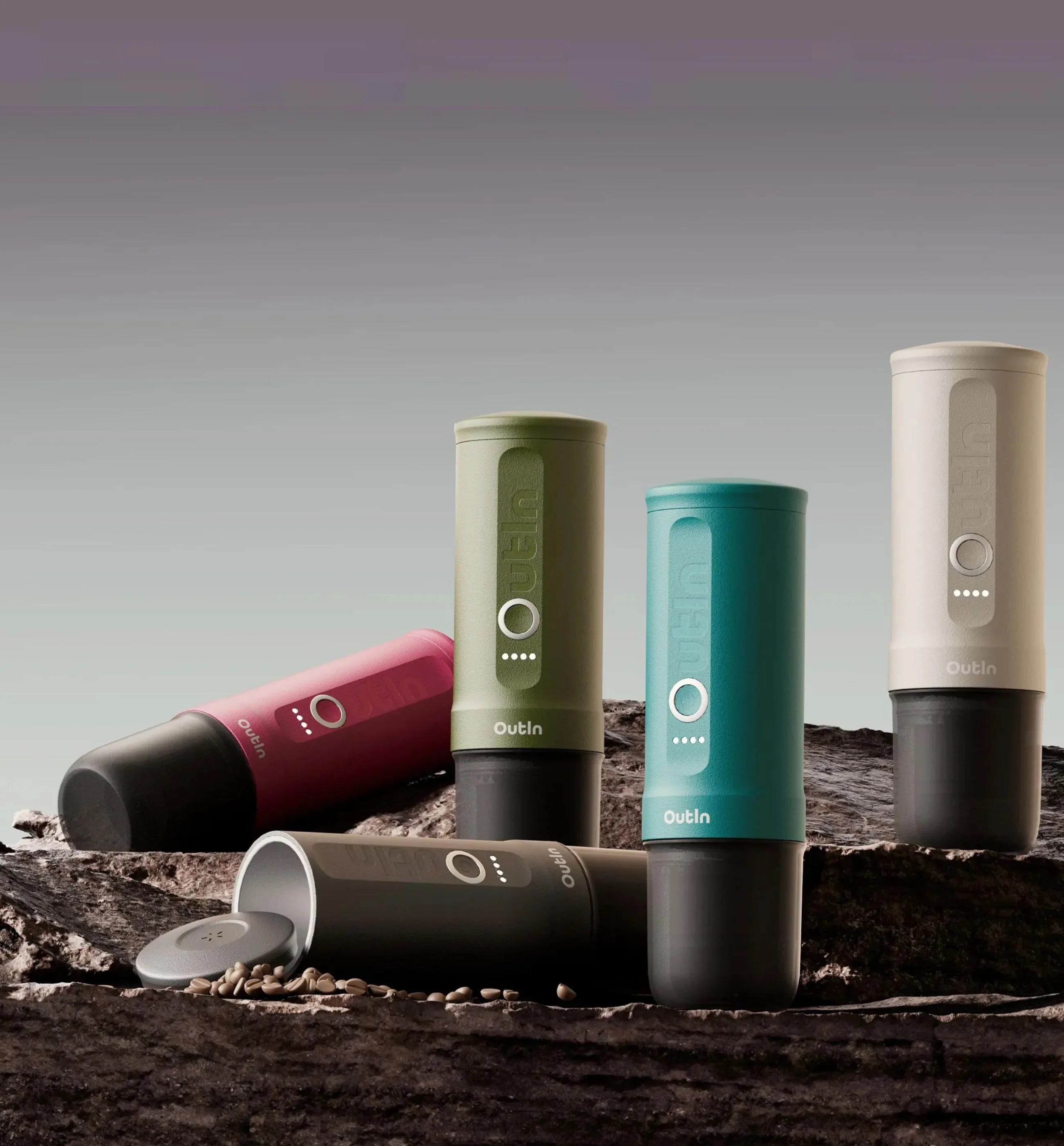
As interest in convenience-based kitchen appliances continues to grow, searches such as travel coffee maker, compact espresso machine, mini coffee brewer, handheld coffee machine, and best portable espresso maker have significantly increased. The portable coffee maker stands out in this category because it combines mobility, simplicity, and quality brewing performance in one compact device.
Coffee culture has expanded globally, and consumers now value freshness, customization, and accessibility more than ever. This shift has made portable brewing devices increasingly popular among students, professionals, travelers, and outdoor enthusiasts.
Coffee Lifestyle
The modern coffee lifestyle is no longer limited to traditional café visits. Many people now prefer brewing their own coffee to match their taste preferences and schedules. A
portable coffee maker supports this lifestyle by providing flexibility and independence from fixed brewing locations.
For frequent travelers, a portable coffee maker ensures that high-quality coffee is always within reach. Instead of relying on instant coffee or expensive café purchases, users can prepare fresh coffee using their preferred beans or capsules. This level of control enhances both taste and overall satisfaction.
As remote work and outdoor lifestyles become more common, compact coffee solutions are gaining attention. The portable coffee maker fits perfectly into this trend by offering a practical and efficient brewing experience anywhere life takes you.
Compact Design
One of the most appealing features of a portable coffee maker is its compact and lightweight design. These devices are specifically engineered to fit easily into bags, backpacks, or travel kits, making them ideal for mobility-focused users.
Despite their small size, many portable coffee makers are designed to deliver strong and flavorful coffee comparable to larger machines. This balance between size and performance makes them highly attractive to coffee enthusiasts who do not want to compromise quality for convenience.
The modern portable coffee maker often features sleek construction and durable materials, ensuring that it can withstand frequent travel and outdoor use. This durability adds to its long-term value and reliability for users who depend on coffee throughout their day.
Brewing Performance
Performance is a key factor when evaluating any coffee brewing device. A high-quality portable coffee maker is designed to extract rich flavor and aroma from coffee grounds or capsules while maintaining consistent temperature and pressure.
Many users search for terms such as mini espresso maker, travel espresso machine, and handheld coffee brewer because they want café-style results in a portable format. Advanced brewing technology allows modern portable coffee makers to deliver smooth, balanced coffee with minimal effort.
Whether preparing espresso-style shots or simple brewed coffee, these devices are built to ensure consistency and taste quality. This makes them suitable not only for casual coffee drinkers but also for enthusiasts who appreciate well-crafted coffee.
Travel Convenience
Travel convenience is one of the strongest reasons behind the growing popularity of the portable coffee maker. People who travel frequently often struggle to find reliable coffee options that match their taste preferences. A portable brewing device solves this issue by allowing users to prepare coffee wherever they are.
From hotel rooms to camping sites, the portability factor ensures that users are never far from their favorite beverage. This level of independence is especially valuable for individuals who rely on coffee as part of their daily routine.
The portable coffee maker also reduces dependency on external facilities, making it a cost-effective and practical solution for long-term travel or outdoor activities. Its convenience has made it a must-have item for modern travelers.
Smart Functionality
Technology has significantly improved the functionality of portable coffee makers. Many modern models incorporate smart heating systems, efficient extraction methods, and user-friendly operation features that simplify the brewing process.
Consumers increasingly expect appliances that combine ease of use with high performance. The portable coffee maker meets this expectation by offering intuitive design and reliable functionality in a compact form.
Some advanced models even allow users to control brewing settings for strength and temperature, providing a more personalized coffee experience. This integration of smart features enhances usability and makes portable brewing more enjoyable.
Coffee Quality
Quality is one of the most important considerations for coffee lovers, and portable coffee makers are designed to meet this expectation. Despite their small size, these devices are capable of producing rich, aromatic, and flavorful coffee.
Freshly brewed coffee offers a significantly better taste experience compared to instant alternatives. A portable coffee maker allows users to enjoy freshly extracted coffee anytime, preserving the natural oils and flavors of the beans.
The ability to use freshly ground coffee or compatible capsules ensures that users can maintain high-quality standards regardless of location. This consistency in flavor is a major reason why portable coffee makers have gained popularity among coffee enthusiasts.
Outdoor Usage
Outdoor enthusiasts often rely on a portable coffee maker to enhance their camping, hiking, or road trip experiences. Access to fresh coffee in outdoor environments adds comfort and enjoyment to travel activities.
Unlike traditional coffee machines, portable models are designed to function without requiring complex setups or large power sources. This makes them suitable for environments where convenience and simplicity are essential.
For people who enjoy nature but still want access to quality coffee, a portable coffee maker becomes an essential travel companion.
Energy Efficiency
Energy efficiency is another important advantage of modern portable coffee makers. Many devices are designed to consume minimal power while still delivering strong brewing performance.
This efficiency makes them suitable for use in vehicles, portable power stations, and low-energy environments. Users benefit from reliable coffee brewing without excessive energy consumption, making the device both practical and environmentally friendly.
As sustainability becomes a growing concern, energy-efficient appliances like portable coffee makers are gaining more attention from eco-conscious consumers.
Market Popularity
The demand for portable coffee maker products continues to rise globally. Coffee lovers are increasingly looking for compact and efficient solutions that align with their active lifestyles. This trend has led to significant growth in the portable coffee machine market.
Search interest in travel coffee machines, mini espresso makers, cordless coffee brewers, and compact espresso devices highlights the expanding popularity of portable brewing solutions. Consumers value the combination of convenience, quality, and portability that these devices offer.
Manufacturers continue to innovate by introducing improved designs, better battery systems, and enhanced brewing technologies to meet evolving consumer expectations.
Future Trends
The future of portable coffee makers looks promising as technology continues to advance. Innovations in battery efficiency, heating systems, and smart controls are expected to improve performance even further.
Future models may offer faster brewing times, more precise temperature control, and enhanced portability features. These improvements will make portable coffee makers even more appealing to modern consumers who prioritize convenience and quality.
As global coffee culture continues to expand, portable brewing devices will remain an important part of the lifestyle of travelers, professionals, and coffee enthusiasts.
Conclusion
The portable coffee maker has transformed the way people enjoy coffee by offering a perfect balance of convenience, quality, and mobility. Whether used for travel, outdoor adventures, office use, or daily commuting, it provides a reliable solution for fresh coffee anytime and anywhere.
With its compact design, strong brewing performance, and growing technological innovation, the portable coffee maker continues to gain popularity among modern coffee lovers. As lifestyles become more dynamic and on-the-go, this device stands out as an essential tool for anyone who values fresh, high-quality coffee without limitations.


