The demand for interactive technology has increased significantly in recent years, especially in schools, universities, offices, and training centers. One of the most popular innovations is the smart board, which combines advanced touch technology with digital collaboration tools. As more organizations move toward digital learning and interactive presentations, understanding the smart board price has become an important part of the purchasing decision.
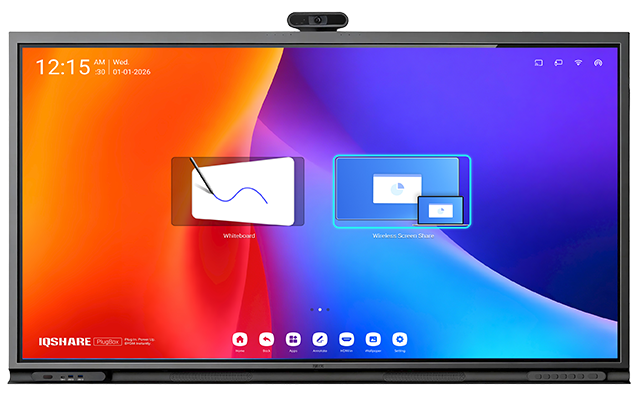
The smart board price varies depending on screen size, display quality, operating system, built-in software, connectivity features, and brand reputation. Whether you are buying an interactive display for education or business, investing in the right smart board can improve communication, engagement, and productivity. This article explores the factors that influence smart board pricing while helping buyers understand the value behind their investment.
Smart Board Price Overview
The
smart board price differs from one model to another because every interactive display offers unique features. Entry-level models are designed for classrooms with basic teaching needs, while premium interactive whiteboards include advanced touch capabilities, 4K Ultra HD displays, AI-powered collaboration software, and wireless screen sharing.
Educational institutions often compare smart board prices with traditional whiteboards, projectors, and digital displays before making a purchasing decision. Although the initial investment may appear higher, the long-term benefits of improved teaching efficiency and reduced maintenance costs make smart boards a practical solution.
Businesses also evaluate smart board price based on meeting room requirements. Interactive presentations, video conferencing, digital annotation, and cloud integration provide excellent value for organizations seeking modern collaboration tools.
Features Affecting Smart Board Price
Several important factors determine the final smart board price. Screen size is one of the biggest considerations because larger displays naturally cost more than smaller models. Interactive boards are commonly available in sizes ranging from 55 inches to over 98 inches, allowing buyers to choose according to room dimensions and audience size.
Display resolution also affects pricing. Full HD screens remain suitable for many classrooms, while 4K interactive displays provide sharper text, better graphics, and improved viewing experiences. Higher resolution often leads to a higher smart board price but also delivers greater visual quality.
Touch technology plays another important role. Modern interactive whiteboards support multiple touch points, allowing several users to write, draw, and interact with the screen simultaneously. Faster touch response and greater accuracy contribute to premium pricing.
Built-in Android operating systems, Windows compatibility, wireless casting, cloud storage integration, educational software, digital whiteboard applications, and online collaboration tools also influence the overall smart board price.
Classroom Technology Value
Schools continue investing in interactive learning because students respond positively to engaging digital lessons. Although the smart board price may initially seem expensive, educational institutions often recover their investment through better learning outcomes and lower equipment maintenance.
Teachers can display multimedia lessons, annotate documents, solve mathematical equations, present science diagrams, and conduct virtual classes using one interactive display. This eliminates the need for multiple teaching devices while simplifying classroom management.
Digital whiteboards also support hybrid education by allowing remote students to participate in lessons. These capabilities increase the value offered by modern smart boards beyond their purchase price.
Business Presentation Benefits
Modern workplaces increasingly rely on digital collaboration to improve communication between teams. The smart board price becomes more attractive when organizations consider the productivity improvements gained through interactive meetings.
Employees can brainstorm ideas, edit presentations in real time, share documents wirelessly, and collaborate across different office locations. Video conferencing software integrates smoothly with many interactive displays, creating efficient meeting environments.
Companies investing in interactive whiteboards often experience reduced setup time, smoother presentations, and more engaging client demonstrations. These practical benefits justify the smart board price for many businesses seeking advanced communication technology.
Smart Board Price and Long-Term Savings
Looking only at the purchase cost may not provide a complete understanding of the smart board price. Long-term operational savings should also be considered. Unlike traditional projector systems, many modern interactive displays require less maintenance because there are no projector lamps to replace or alignment issues to resolve.
Energy-efficient LED displays consume less electricity while offering long service life. Durable tempered glass surfaces resist scratches and daily classroom usage, reducing repair expenses over time.
Software updates regularly introduce new collaboration features without requiring hardware replacement, helping organizations maximize their return on investment.
Choosing the Right Display
Selecting the right smart board involves balancing features with budget requirements. Buyers should compare screen size, display brightness, touch response, operating system, connectivity options, warranty coverage, and software compatibility before deciding on the ideal smart board price.
Educational institutions may prioritize classroom management software and interactive teaching applications, while businesses often focus on video conferencing support, cloud collaboration, and wireless presentation capabilities.
Purchasing from a trusted supplier also ensures better technical support, installation assistance, and after-sales service. These factors contribute significantly to the overall ownership experience.
Market Trends
Technology continues to improve rapidly, making interactive displays more accessible than ever. The smart board price has become increasingly competitive as manufacturers introduce new models featuring faster processors, improved touch sensitivity, artificial intelligence tools, and enhanced collaboration software.
Cloud-based learning platforms, digital classrooms, remote meetings, and hybrid workplaces continue driving demand for interactive whiteboards worldwide. As production increases and competition grows, buyers benefit from more options across different price ranges.
Businesses, schools, healthcare organizations, and government institutions continue adopting interactive displays because they support modern communication while increasing efficiency.
Buying Considerations
Before comparing the smart board price, buyers should carefully evaluate their actual usage requirements. A smaller classroom may only require a medium-sized interactive display, while large conference rooms benefit from larger screens with enhanced brightness.
Warranty terms, software licensing, technical support, installation services, and future upgrade options should all be considered during the purchasing process. Focusing solely on the lowest smart board price may result in missing valuable features that improve long-term performance.
Investing in reliable hardware with quality software creates a better user experience while reducing operational interruptions over the product's lifespan.
Conclusion
The smart board price reflects far more than the cost of an interactive display. It represents an investment in digital learning, business collaboration, communication efficiency, and long-term productivity. Modern smart boards combine advanced touchscreen technology, high-resolution displays, wireless connectivity, and intelligent collaboration software into a single solution suitable for education and professional environments.


