A seamless steel pipe is one of the most reliable and high-strength piping solutions used in modern industrial systems. It is manufactured without any welded seam, which gives it superior structural integrity compared to other pipe types. Because of this unique construction, seamless steel pipes are widely used in industries that require high pressure resistance, temperature stability, and long-term durability.
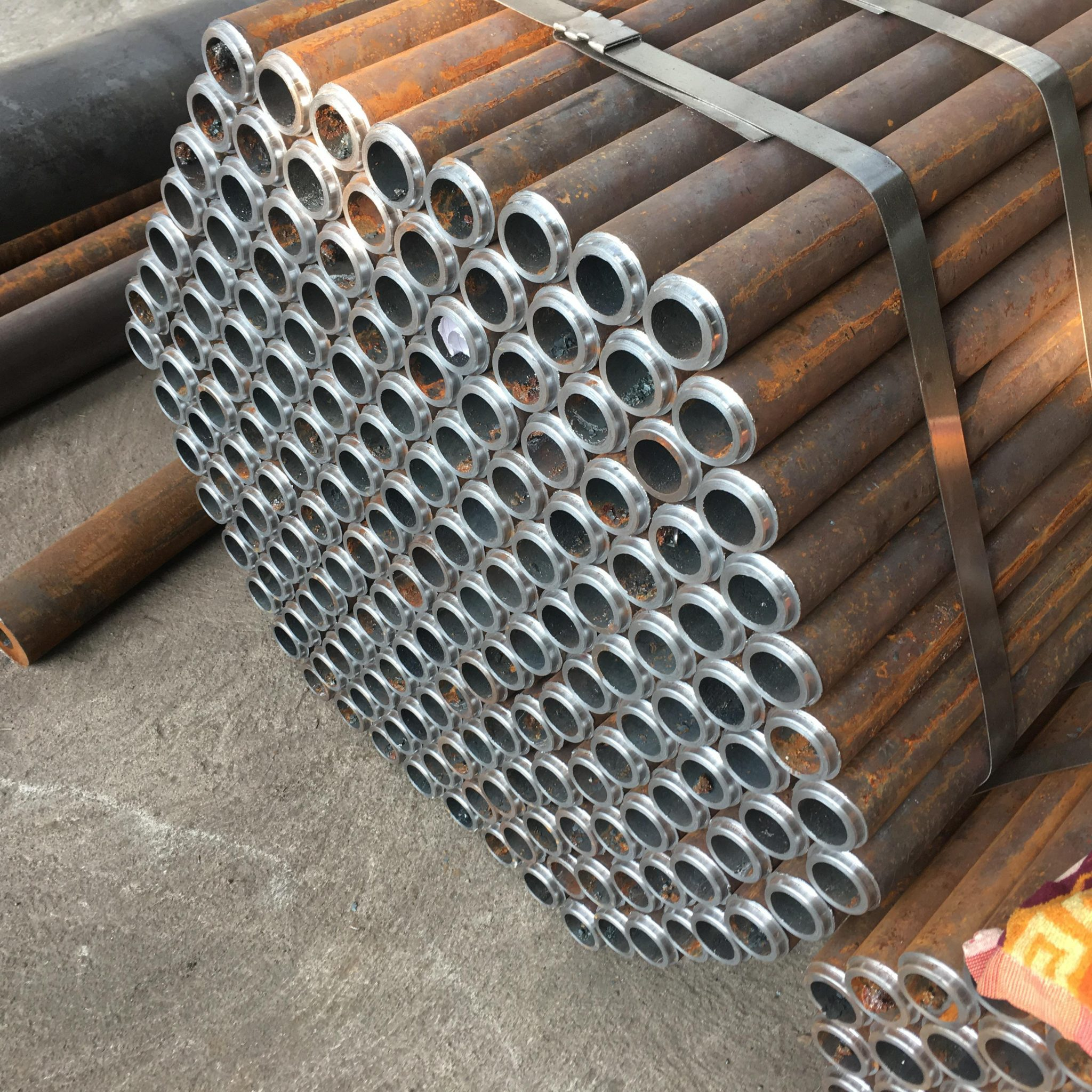
The manufacturing process of seamless steel pipe involves heating a solid steel billet and piercing it to create a hollow tube. This is further processed through hot rolling or cold drawing techniques to achieve precise dimensions and improved mechanical properties. Since there is no welding involved, the pipe maintains a uniform structure throughout its length, making it highly resistant to cracking, leakage, and mechanical failure.
In modern engineering, seamless carbon steel pipe is commonly used in oil and gas pipelines, power plants, chemical processing facilities, and heavy machinery systems. These industries rely on seamless pipe because it can safely transport fluids and gases under extreme pressure and temperature conditions. Its smooth internal surface also improves flow efficiency, reducing friction losses in pipeline systems.
A major advantage of
seamless steel pipe is its ability to perform in high-stress environments. Whether used in deep underground pipelines or offshore drilling operations, seamless pipes maintain their structural stability even under harsh operating conditions. This makes them a preferred choice for critical infrastructure projects where safety and reliability are essential.
Seamless steel pipe is also widely used in boiler systems, heat exchangers, and hydraulic systems. These applications require materials that can withstand continuous pressure and thermal expansion. The uniform wall thickness of seamless pipes ensures consistent performance, reducing the risk of failure in demanding environments.
Different grades of seamless steel pipe are available depending on industrial requirements. Low carbon seamless steel pipes are used in general engineering applications, while alloy steel seamless pipes are used in high-pressure and high-temperature environments. Stainless steel seamless pipes are commonly used in chemical, marine, and food processing industries due to their excellent corrosion resistance.
The oil and gas industry remains one of the largest consumers of seamless steel pipe. These pipes are used in exploration, drilling, and transportation of petroleum and natural gas. API standard seamless line pipes are designed specifically for pipeline networks that require safe and efficient long-distance fluid transport.
Construction and infrastructure sectors also rely on seamless steel pipes for structural and mechanical applications. They are used in building frameworks, bridges, and heavy-duty engineering structures where strength and durability are critical. Their ability to handle load stress makes them suitable for demanding construction environments.
Seamless pipe manufacturing follows strict international standards such as ASTM, API 5L, and DIN specifications. These standards ensure that every pipe meets required mechanical properties, chemical composition, and pressure ratings. Compliance with these standards guarantees safety and long-term performance in industrial systems.
seamless steel pipe performance durability and global industrial demand
The performance of seamless steel pipe is one of its strongest advantages in industrial applications. Its seamless structure eliminates weak points caused by welding, making it highly resistant to pressure fluctuations and mechanical stress. This makes it suitable for continuous operation in industries where reliability is critical.
One of the key strengths of seamless steel pipe is its ability to maintain structural integrity under extreme pressure. This is especially important in hydraulic systems, boiler applications, and high-pressure gas pipelines. Industries depend on seamless pipes to ensure safe and stable operation in demanding environments.
Corrosion resistance also plays a significant role in seamless steel pipe performance. Depending on the material grade, seamless pipes can be coated or alloyed to improve resistance against rust, chemicals, and environmental exposure. Stainless steel seamless pipe is widely used in marine and chemical industries due to its superior corrosion resistance.
Another important advantage of seamless steel pipe is its dimensional accuracy. Because of controlled manufacturing processes, seamless pipes offer consistent wall thickness and diameter. This precision ensures easy installation and proper fitting in complex pipeline systems, reducing the risk of operational issues.
Seamless steel pipe also improves flow efficiency in fluid transport systems. Its smooth internal surface reduces friction, allowing liquids and gases to move more efficiently through pipelines. This helps reduce energy consumption and improves overall system performance.
Global demand for seamless steel pipe continues to grow due to increasing industrialization and infrastructure development. Oil and gas exploration, power generation, and construction projects all rely heavily on seamless pipe systems. As industries expand, the need for high-performance piping solutions continues to rise.
Modern manufacturing advancements have significantly improved the quality of seamless steel pipes. Enhanced heat treatment processes, precision rolling technologies, and advanced inspection systems ensure higher strength and longer service life. These improvements make seamless pipes even more reliable for critical applications.
Although seamless steel pipe is generally more expensive than welded alternatives, its long-term performance and durability make it a cost-effective solution. Industries prefer seamless pipes for applications where failure is not an option, ensuring safety and efficiency over extended service periods.
conclusion seamless steel pipe industrial importance and future development outlook
A seamless steel pipe remains one of the most important and dependable piping solutions in modern industry. Its unique manufacturing process, high strength, and ability to withstand extreme pressure make it essential for oil and gas, construction, power generation, and mechanical engineering applications.
With continuous technological advancements and growing global infrastructure demand, seamless steel pipes will continue to play a critical role in industrial development. Their durability, reliability, and performance ensure they remain a preferred choice for engineers and industries worldwide seeking long-term safety and efficiency.


