The demand for reliable steel products continues to grow as industries expand across construction, manufacturing, energy, and infrastructure sectors. Among the many types of steel products available today, ERW has become one of the most widely used options because of its strength, consistent quality, and cost-effective production process. Engineers, contractors, and manufacturers rely on ERW for projects that require dependable performance and long service life.
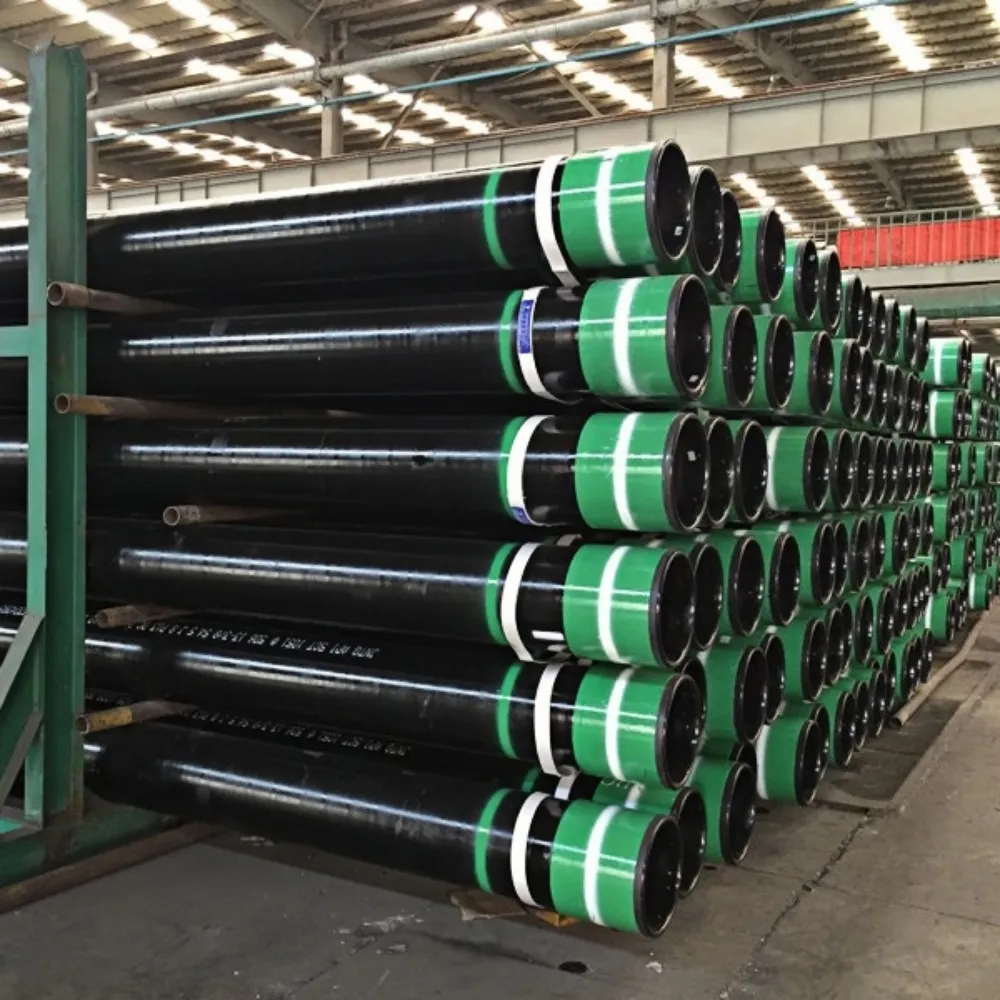
ERW, which stands for Electric Resistance Welded, is produced through a modern manufacturing process that creates a strong welded joint without the need for filler material. This advanced production technique ensures excellent dimensional accuracy and a smooth surface finish, making ERW suitable for a wide variety of commercial and industrial applications. As industries continue to seek high-quality steel solutions, ERW remains a preferred material for transporting fluids, supporting structures, and manufacturing equipment.
ERW Manufacturing Process
The manufacturing process of
erw begins with high-quality steel coils that are carefully selected according to industry standards. The steel strip is gradually formed into a tubular shape using precision rollers. Once the edges meet, electric resistance generates intense heat that welds the edges together without additional welding material. The welded section is then cooled, sized, and inspected to ensure uniform quality.
After welding, the pipe undergoes multiple quality control procedures including dimensional testing, weld inspection, hydrostatic testing, and surface examination. These inspections help ensure that every ERW product meets international specifications for strength, durability, and safety. Modern production technology has significantly improved the reliability of ERW, allowing manufacturers to produce pipes with consistent wall thickness and excellent mechanical properties.
ERW Performance Benefits
One of the major reasons industries choose ERW is its combination of strength, precision, and affordability. The manufacturing process produces pipes with smooth internal and external surfaces that improve fluid flow while reducing maintenance requirements. The uniform dimensions also simplify installation and allow accurate fitting during fabrication.
ERW offers excellent resistance to pressure under normal operating conditions, making it suitable for water pipelines, gas distribution systems, fire protection systems, agricultural irrigation, and structural frameworks. Many industries appreciate the dependable performance of ERW because it provides long-lasting service while remaining economically competitive compared to other steel pipe options.
The precise welding technology used during production also improves the appearance of the finished product. This clean surface makes ERW suitable for projects where both functionality and visual quality are important.
Industrial Applications
ERW is used throughout numerous industries because of its versatility and dependable performance. Construction companies frequently install ERW for structural columns, scaffolding, fencing, handrails, and support systems. The accurate dimensions help builders complete projects efficiently while maintaining high construction standards.
The oil and gas industry also depends on ERW for low and medium-pressure transportation systems. Water treatment facilities use ERW to transport clean water, wastewater, and industrial fluids safely through extensive pipeline networks. Fire sprinkler systems commonly utilize ERW because it meets demanding safety requirements while offering long-term durability.
Manufacturing industries use ERW to produce machinery frames, automotive components, storage racks, furniture, conveyors, and industrial equipment. Agricultural operations benefit from ERW in irrigation systems, greenhouse structures, and equipment manufacturing. This wide range of applications demonstrates the flexibility of ERW across both heavy and light industrial sectors.
Material Quality
High-quality raw materials play an essential role in the performance of ERW. Manufacturers select premium carbon steel, mild steel, or alloy steel depending on the intended application. Strict quality control throughout the production process ensures that every pipe maintains consistent mechanical strength, dimensional accuracy, and corrosion resistance.
Many manufacturers produce ERW according to recognized international standards, allowing customers to use these products confidently in demanding industrial environments. Advanced testing methods help verify weld integrity, tensile strength, impact resistance, and overall structural reliability before the products reach the market.
Protective surface treatments such as galvanization, painting, or specialized coatings further improve corrosion resistance, allowing ERW to perform effectively even in challenging outdoor or industrial environments.
Market Demand
The global demand for ERW continues to increase as infrastructure development accelerates in both developed and developing economies. Urban expansion, transportation projects, industrial construction, renewable energy facilities, and public utility upgrades all contribute to the growing need for high-quality welded steel pipes.
Manufacturers continue investing in automated production equipment, digital quality inspection systems, and energy-efficient manufacturing technologies. These improvements have enhanced production efficiency while maintaining excellent product consistency. As a result, ERW remains one of the most competitive choices for projects requiring reliable steel piping at a reasonable cost.
Growing environmental awareness has also encouraged manufacturers to optimize production methods that reduce material waste and energy consumption. Modern ERW production supports sustainable manufacturing goals while delivering durable products with long operational lifespans.
Reliable Selection
Selecting the appropriate ERW depends on several technical considerations including pipe diameter, wall thickness, pressure requirements, operating temperature, and environmental conditions. Experienced suppliers assist customers in identifying suitable specifications that match individual project requirements while complying with applicable engineering standards.
Working with reputable manufacturers ensures access to certified materials, complete inspection reports, and consistent product quality. Reliable suppliers also provide technical support, customized dimensions, protective coatings, and timely delivery schedules that help projects remain on schedule.
As industrial technology continues to advance, ERW manufacturing processes become increasingly precise, enabling even greater performance and reliability across a broader range of applications.
Conclusion
ERW continues to serve as one of the most dependable and cost-effective steel pipe solutions available in today's industrial market. Its advanced electric resistance welding process, excellent dimensional accuracy, durable construction, and broad range of applications make it suitable for construction, infrastructure, manufacturing, water transportation, fire protection, agriculture, and energy projects. With continuous improvements in manufacturing technology and quality assurance, ERW remains an outstanding choice for businesses seeking long-lasting performance, consistent quality, and economical value. Whether used in large-scale industrial facilities or commercial construction projects, ERW provides the strength, efficiency, and reliability required to meet modern engineering demands while supporting sustainable industrial growth.


