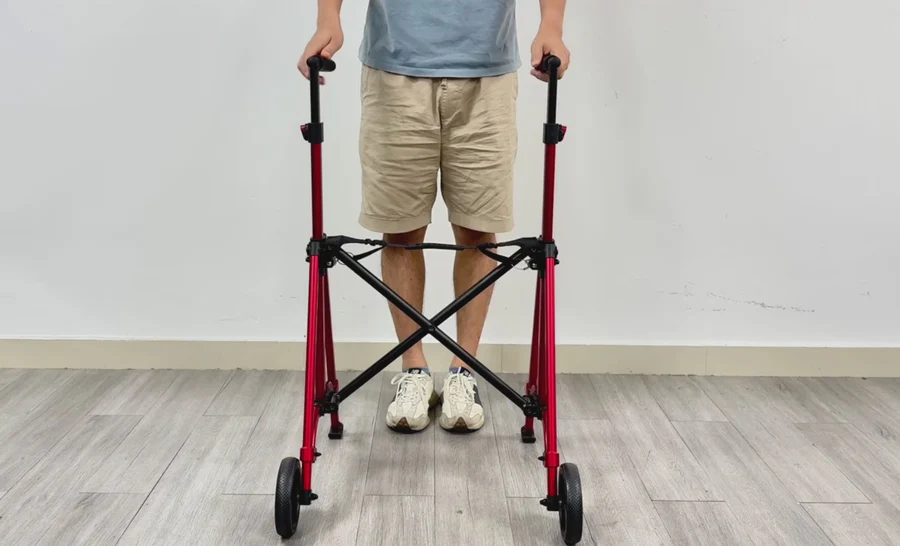
A front wheel walker is one of the most practical and widely recommended mobility aids for individuals who need additional support while walking. Designed with two wheels on the front legs and sturdy rear legs equipped with non-slip tips, this walker offers a balance between stability and smooth movement. It is commonly used by seniors, rehabilitation patients, and individuals with mobility limitations who require assistance in maintaining safe and independent movement throughout the day.
As mobility challenges become more common due to aging, injury, surgery, or chronic health conditions, finding the right walking aid becomes increasingly important. A front wheel walker provides users with greater confidence and freedom by reducing the effort needed to move from one place to another. Unlike a standard walker that must be lifted completely with each step, a front wheel walker rolls forward more naturally, making walking easier and less physically demanding.
The growing popularity of front wheel walkers reflects their ability to improve quality of life while promoting safety and independence. Whether used at home, in healthcare facilities, or during rehabilitation programs, these mobility devices help individuals remain active and engaged in their daily routines.
Advantages of Using a Front Wheel Walker
One of the most significant advantages of a
front wheel walker is the ease of movement it provides. The front wheels allow the walker to glide smoothly across various surfaces, reducing the need for repeated lifting. This feature is especially beneficial for individuals who have limited arm strength, arthritis, or other conditions that make lifting a traditional walker difficult.
The enhanced mobility offered by a front wheel walker often encourages users to remain physically active. Regular movement plays an important role in maintaining muscle strength, joint flexibility, and overall health. By making walking less strenuous, this mobility aid helps individuals continue participating in everyday activities with greater comfort and confidence.
Another major benefit is improved stability. Although the walker includes wheels, its design still provides reliable support during movement. The rear legs create additional control and balance, helping users navigate different environments safely. This stability can significantly reduce the risk of falls, which is one of the primary concerns for seniors and individuals recovering from injuries.
Comfort is another reason many people prefer a front wheel walker. Most models feature adjustable height settings that allow users to customize the walker according to their body dimensions. Proper adjustment promotes healthy posture and reduces strain on the back, shoulders, and wrists. Ergonomic hand grips further improve comfort by providing a secure and comfortable hold during extended periods of use.
The walker also contributes to greater independence. Individuals who once relied heavily on caregivers for mobility support often find that a front wheel walker enables them to move more freely on their own. This increased independence can positively affect emotional well-being and encourage a more active lifestyle.
Features That Make a Front Wheel Walker Effective
The design of a front wheel walker combines practicality with functionality. Most models are constructed from lightweight aluminum, making them easy to maneuver while maintaining the strength needed for daily support. This lightweight construction helps users move the walker with minimal effort, contributing to a more comfortable walking experience.
Adjustable height settings are among the most valuable features found in modern front wheel walkers. A properly fitted walker supports natural movement and helps prevent discomfort caused by poor posture. Users can easily modify the height to achieve the ideal position for safe and efficient walking.
The front wheels are designed to roll smoothly across a variety of surfaces, including tile floors, hardwood flooring, carpets, and outdoor sidewalks. This versatility makes the walker suitable for both indoor and outdoor use. Users can transition between different environments without sacrificing stability or comfort.
Many front wheel walkers also feature foldable frames, making transportation and storage simple and convenient. This feature is particularly useful for individuals who travel frequently or need to transport their mobility aid to medical appointments and social gatherings. A foldable walker can easily fit into a vehicle while remaining ready for immediate use.
Additional comfort features such as padded hand grips and reinforced support structures further enhance usability. These details may seem small, but they contribute significantly to the overall user experience, especially for individuals who depend on the walker throughout the day.
Selecting the Right Front Wheel Walker
Choosing the best front wheel walker involves evaluating personal mobility needs and lifestyle requirements. One of the most important considerations is proper sizing. A walker that is adjusted to the correct height allows users to maintain an upright posture and move comfortably while reducing strain on the body.
Weight capacity is another essential factor. Different walker models are designed to support various weight ranges, so selecting a model that matches the user's requirements ensures safety and durability. A properly rated walker provides reliable performance and long-term support.
The user's environment should also be considered during the selection process. Individuals who spend most of their time indoors may prioritize maneuverability and compact design, while those who frequently walk outdoors may look for larger wheels and enhanced stability features.
Healthcare professionals often recommend consulting a physical therapist or medical specialist before purchasing a mobility aid. Their expertise can help determine the most appropriate walker based on medical conditions, rehabilitation goals, and daily activity levels. Professional guidance can make a significant difference in selecting a walker that provides optimal support and comfort.
Regular maintenance is equally important for ensuring continued performance. Checking wheel alignment, inspecting rubber tips, and tightening adjustment mechanisms help maintain safety and extend the life of the walker. Proper care ensures that the mobility aid remains dependable and effective over time.
Conclusion
A front wheel walker is an excellent mobility solution for individuals seeking greater stability, comfort, and independence. Its combination of smooth movement, reliable support, and user-friendly design makes it a preferred choice for seniors, rehabilitation patients, and those managing long-term mobility challenges. By reducing physical effort, improving confidence, and promoting safer movement, a front wheel walker helps users maintain an active lifestyle and enjoy greater freedom in their daily lives.


