Fire safety is one of the most important considerations in residential, commercial, and industrial buildings. A dependable fire pipe system plays a vital role in transporting water quickly and efficiently during emergencies. Whether installed in office buildings, warehouses, shopping centers, hospitals, factories, or residential complexes, fire pipes form the backbone of modern fire protection systems.
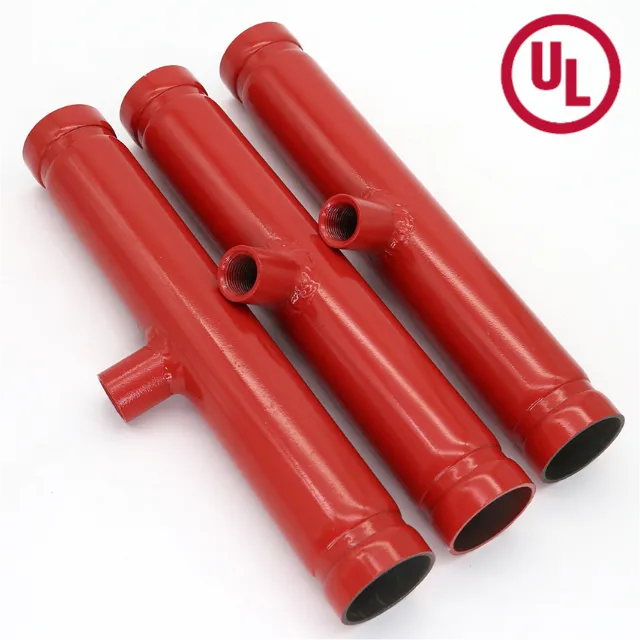
The increasing focus on building safety has made high-quality fire pipe systems an essential part of construction projects worldwide. Manufacturers now produce durable steel fire pipes that offer high pressure resistance, corrosion protection, and long service life. Combined with advanced fire sprinkler systems and firefighting equipment, these pipes help reduce property damage while improving overall public safety.
Fire Pipe Systems
A
fire pipe is specially designed to carry water or fire suppression agents from the main water source to fire sprinklers, hydrants, or firefighting equipment. Unlike standard plumbing pipes, fire pipes are manufactured to withstand high operating pressure and perform reliably during emergency situations.
Modern fire pipe systems are engineered to meet international safety regulations and are available in different sizes, wall thicknesses, and protective coatings. Properly designed systems ensure a continuous water supply whenever fire protection equipment is activated.
Steel Fire Pipes
Steel remains the preferred material for fire pipe manufacturing because of its exceptional strength, durability, and pressure-handling capability. Carbon steel fire pipes are widely used in commercial buildings due to their ability to withstand demanding operating conditions.
Galvanized fire pipes provide additional corrosion resistance, making them suitable for environments exposed to moisture. Black steel fire pipes are also commonly installed in indoor fire sprinkler systems because they offer reliable performance and cost-effective installation.
Manufacturers carefully inspect every fire pipe to ensure consistent quality before it reaches construction sites or industrial facilities.
Manufacturing Quality
Modern fire pipe manufacturers use advanced production methods that include hot rolling, cold forming, welding, and protective coating technologies. Automated production equipment ensures accurate dimensions and consistent wall thickness throughout the manufacturing process.
Quality control procedures include hydrostatic pressure testing, dimensional inspection, chemical composition analysis, and mechanical strength evaluation. These tests help verify that every fire pipe meets international standards and performs effectively under emergency operating conditions.
Reliable manufacturing processes provide long-term durability while reducing maintenance requirements throughout the system's service life.
Construction Applications
Fire pipe systems are installed in a wide variety of buildings to improve fire safety and comply with construction regulations. Commercial buildings require dependable fire sprinkler systems that distribute water quickly throughout every floor. Industrial facilities use heavy-duty fire pipes to protect valuable machinery, production equipment, and storage areas.
Residential apartment complexes also depend on properly designed fire protection systems to safeguard occupants during emergencies. Educational institutions, healthcare facilities, airports, shopping malls, hotels, and government buildings all incorporate fire pipes into their fire safety infrastructure.
As urban development continues worldwide, demand for reliable fire pipe systems continues to increase.
Corrosion Protection
Long-term durability depends heavily on protecting fire pipes from corrosion. Moisture, environmental conditions, and water quality can gradually affect pipe performance if proper protective coatings are not used.
Galvanized steel fire pipes include a zinc coating that helps prevent rust and extends operational life. Additional protective coatings are available for underground installations, outdoor projects, and industrial environments where corrosion risks are higher.
Proper maintenance and routine inspection further improve the lifespan of fire pipe systems while ensuring dependable emergency performance.
International Standards
High-quality fire pipe products are manufactured according to recognized international standards to ensure reliability and safety. Many manufacturers produce pipes that comply with ASTM, ANSI, ISO, EN, FM, and UL certification requirements.
Meeting these standards ensures that fire pipe systems provide consistent performance during emergency situations. Certified products undergo strict testing before entering the market, giving contractors, engineers, and building owners greater confidence in their fire protection systems.
Compliance with recognized standards also supports building approvals and regulatory inspections for commercial and industrial projects.
Installation Performance
Professional installation significantly improves the effectiveness of every fire pipe system. Proper pipe sizing, secure connections, pressure balancing, and accurate sprinkler placement all contribute to reliable water distribution during emergencies.
Experienced contractors carefully design piping layouts that minimize pressure loss while maximizing system efficiency. Routine inspection after installation helps verify that every connection remains secure and that water flows correctly throughout the network.
Well-installed fire pipe systems provide dependable performance for many years with relatively low maintenance requirements.
Industrial Benefits
Businesses choose steel fire pipe systems because they offer exceptional durability, strength, and long-term value. Steel pipes resist mechanical damage better than many alternative materials and maintain structural integrity under demanding operating conditions.
Their ability to handle high-pressure water flow makes them ideal for fire suppression systems in factories, warehouses, chemical plants, power stations, and manufacturing facilities. Reliable fire protection also helps reduce business risks while supporting workplace safety and regulatory compliance.
Investing in quality fire pipe products ultimately contributes to lower maintenance costs and improved operational reliability.
Future Fire Protection
Modern fire safety technology continues evolving as buildings become larger and more sophisticated. Smart monitoring systems, automated fire detection, digital control panels, and advanced sprinkler technologies are increasingly integrated with traditional fire pipe networks.
Manufacturers continue developing stronger materials, improved protective coatings, and environmentally friendly production methods. These innovations help increase system efficiency while supporting sustainable construction practices.
As safety regulations continue advancing worldwide, high-quality fire pipe systems will remain an essential component of modern infrastructure and building protection.
Conclusion
A dependable fire pipe system is one of the most important investments in modern fire protection. Whether used in commercial buildings, industrial facilities, hospitals, residential complexes, or public infrastructure, high-quality fire pipes provide reliable water distribution during emergency situations when every second matters.


