Steel is one of the most important materials used across construction, manufacturing, infrastructure, transportation, and industrial engineering. As projects become more demanding, businesses need steel products that offer dependable strength, consistent dimensions, suitable mechanical properties, and efficient fabrication. Baolai Steel is a relevant search term for buyers and industry professionals exploring steel manufacturing and supply solutions for a wide range of applications.
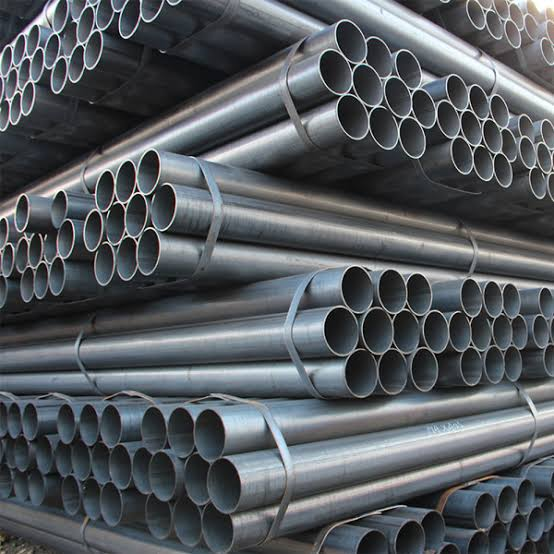
The modern steel industry includes numerous product categories, from structural steel and steel pipes to plates, tubes, coils, bars, and customized fabricated components. Each product has different characteristics and applications, making it important for buyers to understand technical specifications before selecting a material. For businesses researching Baolai Steel, examining product quality, manufacturing processes, applications, specifications, and purchasing considerations can provide useful context.
Baolai Steel and Modern Steel Products
Baolai Steel can be considered within the broader steel manufacturing and distribution sector, where quality control and product consistency are central to successful industrial projects. Steel manufacturers and suppliers serve industries that require materials capable of handling structural loads, mechanical stress, environmental exposure, and demanding fabrication processes.
Modern steel production begins with carefully selected raw materials and controlled processing. Depending on the final product, steel may be rolled, formed, welded, treated, cut, or fabricated into different shapes and dimensions. Manufacturing controls are important because variations in chemical composition, mechanical properties, dimensions, or surface quality can affect the suitability of a product for its intended application.
Structural steel is one of the most important categories. It can be manufactured into beams, columns, channels, angles, hollow sections, and other profiles used in buildings and infrastructure. These products are selected according to factors such as load capacity, span, structural design, connection requirements, and applicable engineering standards.
Steel pipes and tubes are another significant category associated with industrial steel supply. Depending on their grade and specifications, they can be used for structural applications, fluid transportation, mechanical systems, energy facilities, and industrial equipment. Buyers researching Baolai Steel products may therefore need to compare pipe dimensions, wall thickness, steel grade, manufacturing process, and surface treatment before choosing a suitable product.
Steel plates are widely used in heavy fabrication, machinery, storage tanks, platforms, industrial structures, and transportation equipment. Plate thickness and grade are generally selected according to expected loading, fabrication requirements, operating conditions, and relevant standards.
Baolai Steel Applications Across Industries
The versatility of steel makes it suitable for numerous industries, and Baolai Steel is a relevant search topic for companies exploring materials for construction and industrial manufacturing. Construction remains one of the largest steel-consuming sectors, with steel used in structural frameworks, roofing systems, supports, columns, bridges, warehouses, factories, and commercial buildings.
In commercial construction, structural steel can help create strong frameworks while allowing architects and engineers considerable design flexibility. Steel components can be prefabricated and assembled on-site, helping streamline construction processes and reduce the amount of fabrication required at the project location.
Industrial facilities also depend heavily on steel products. Manufacturing plants, warehouses, workshops, processing facilities, and production environments require steel for building structures, machinery supports, platforms, walkways, frames, and equipment assemblies.
The energy sector represents another important market for steel. Oil and gas facilities, power plants, renewable energy projects, and industrial processing systems require steel products with carefully controlled mechanical and chemical properties. Depending on the application, specialized carbon steel, alloy steel, stainless steel, or other material grades may be required.
Infrastructure projects can require large volumes of steel as well. Bridges, transportation structures, utility systems, water-related infrastructure, and public facilities may use steel sections, plates, pipes, and fabricated components. The material's combination of strength and versatility makes it suitable for many engineered structures.
Manufacturing and fabrication businesses also rely on steel because it can be cut, bent, welded, drilled, machined, and formed into customized products. Steel fabrication materials are therefore important for companies producing machinery frames, industrial equipment, agricultural structures, storage systems, and specialized components.
Steel Quality and Purchasing Considerations
When evaluating Baolai Steel, buyers should focus on technical specifications and quality requirements rather than considering price alone. The correct steel product depends on the intended application, operating environment, structural requirements, fabrication method, and applicable standards.
Steel grade is one of the first factors to evaluate. Different grades provide different combinations of tensile strength, yield strength, toughness, ductility, corrosion resistance, and weldability. Selecting an unsuitable grade can affect fabrication efficiency and long-term performance, so technical requirements should be established before ordering.
Dimensions and tolerances are equally important. For steel pipes and tubes, outside diameter, wall thickness, length, and dimensional tolerances can influence installation and compatibility with fittings. For plates and structural sections, thickness, width, length, straightness, and profile dimensions may need to meet specified requirements.
Surface condition should also be considered. Steel products exposed to moisture, chemicals, marine environments, or other corrosive conditions may require protective treatment. Galvanizing, painting, specialized coatings, or appropriate corrosion-control systems can help extend service life depending on the application.
Quality documentation can provide additional confidence when purchasing industrial steel. Depending on the project, buyers may request material test certificates, inspection reports, chemical composition data, mechanical test results, and compliance documentation. These records can help verify that the material meets the required specifications.
For international purchases, logistics are also an important part of supplier evaluation. Steel products are often heavy and require appropriate packaging, handling, loading, transportation, and storage. Clear documentation and accurate product labeling can help reduce delays and simplify receiving procedures.
Price should be evaluated alongside quality, availability, specifications, delivery time, and total project costs. A low initial price may not represent good value if the material does not meet technical requirements or creates additional fabrication and installation challenges.
Baolai Steel and the Future of Industrial Steel
The global steel industry continues to develop through improvements in manufacturing technology, automation, quality control, and sustainability. Businesses are increasingly interested in steel products that provide reliable performance while also supporting efficient production and responsible material use.
Sustainability has become a major consideration because steel is highly recyclable. Efficient production methods, reduced material waste, responsible sourcing, and recycling can contribute to more sustainable industrial practices. Steel components can also be incorporated into long-term structures designed for durability and service life.
Digitalization is changing the relationship between manufacturers, suppliers, and buyers. Companies can increasingly research product specifications, communicate with suppliers, request quotations, and manage procurement through digital channels. For businesses researching Baolai Steel, digital product information can make initial comparisons easier, although technical documentation should still be verified for important engineering projects.
Automation is also improving steel processing. Modern cutting, welding, forming, inspection, and finishing technologies can improve consistency and production efficiency. These developments are particularly valuable for customers who require customized dimensions or large-volume industrial orders.
As global construction, infrastructure development, and manufacturing continue to require durable materials, steel will remain an essential part of modern industry. Suppliers capable of meeting technical specifications, maintaining quality consistency, and supporting efficient delivery can play an important role in this evolving market.
Conclusion
Baolai Steel is a useful search topic for businesses, contractors, manufacturers, fabricators, and industrial buyers researching steel products and supply solutions. Steel remains one of the most widely used engineering materials because it offers strength, durability, versatility, fabrication flexibility, and recyclability.
Whether the requirement involves structural steel, steel pipes, tubes, plates, coils, or customized fabricated products, buyers should evaluate grade, dimensions, mechanical properties, surface condition, quality documentation, delivery requirements, and applicable standards. A thorough comparison of these factors can help businesses select materials that provide dependable performance and long-term value.


