A Hoyer lift is a type of patient transfer equipment designed to assist caregivers when moving a person who has limited mobility between suitable surfaces. Often associated with home care, hospitals, rehabilitation centers, and assisted living environments, a Hoyer lift can provide controlled support during transfers when used correctly. These devices are commonly available in manual and powered configurations, with designs that can accommodate different care requirements.
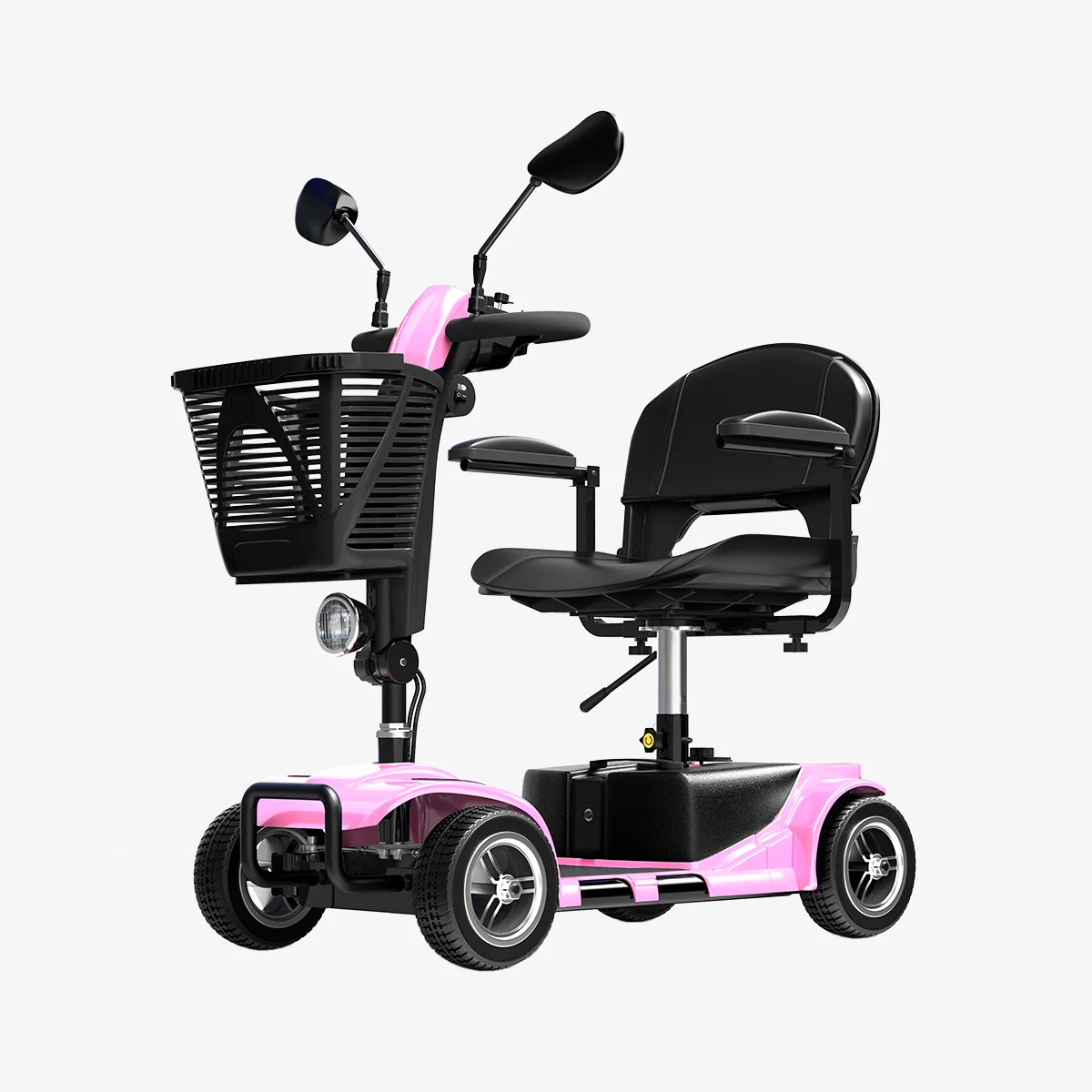
The term Hoyer lift is widely used when people search for patient lifts, medical lifting equipment, or assisted transfer solutions. Related terms include patient lift, medical lift, hydraulic patient lift, electric patient lift, portable patient lift, and sling lift. Although these terms are often used interchangeably, individual products can have different mechanisms, weight capacities, sling designs, and intended applications.
Choosing the right patient lift requires careful consideration of the user's mobility needs, caregiver requirements, available space, and manufacturer's specifications. Proper training and appropriate equipment selection are essential because patient transfers require careful positioning and controlled operation.
Can a Hoyer Lift Support Comfortable Patient Transfers?
A
hoyer lift is designed to assist with transfers when a person cannot safely move independently between suitable surfaces. The equipment generally works with a supportive sling and lifting mechanism that allows the user to be moved in a controlled manner.
Traditional hydraulic patient lifts use a manual pumping mechanism to raise the lifting arm, while an electric Hoyer lift uses a powered actuator and rechargeable battery. The exact mechanism varies by model, but both types are designed around the same general purpose of assisted patient transfers.
The sling is an important part of the system. Different sling designs can provide varying levels of support for different transfer requirements. A full-support sling may be designed for users who need substantial assistance, while other sling styles may be intended for people who can participate more actively in the transfer. Sling selection should always follow professional guidance and the manufacturer's recommendations.
Comfort should also be considered. A properly fitted sling can provide appropriate support during the transfer, while incorrect positioning can create discomfort or increase risk. Caregivers should receive suitable training before using a patient lift with sling.
The lift's base and wheels can influence maneuverability. Many patient lifts use a wheeled base that can be positioned around a bed or compatible seating area. Some models feature adjustable base widths, allowing the equipment to be positioned appropriately in different spaces.
The surrounding environment is equally important. Doorways, flooring, furniture, bed height, chair height, and available maneuvering space can affect whether a particular Hoyer patient lift is practical. Measuring the care area before purchasing can help identify potential space limitations.
Can Patient Lifts Improve Caregiver Convenience?
A Hoyer lift can provide valuable assistance to caregivers by supporting the physical movement involved in suitable patient transfers. Instead of manually lifting a person's entire body weight, the equipment uses a lifting mechanism and sling to provide controlled support.
An electric patient lift can be particularly convenient because the lifting movement is powered by a battery-operated actuator. Depending on the model, handheld controls allow caregivers to raise or lower the lifting arm. Battery charging and maintenance should always follow the manufacturer's instructions.
Manual hydraulic patient lifts can provide another option. These models do not depend on an electric actuator for the lifting movement and may be useful in environments where a manual mechanism is preferred. The choice between manual and powered equipment depends on the user's needs, caregiver requirements, and intended environment.
Weight capacity is one of the most important specifications when selecting a Hoyer lift for home use. The lift should never be operated beyond the manufacturer's stated capacity. Buyers should also consider the user's height, body proportions, mobility level, and the appropriate sling size.
Safety-oriented components can vary between models. A patient lift may include locking casters, emergency lowering mechanisms, adjustable bases, supportive slings, and other features intended to support controlled transfers. Users should understand the specific functions of their equipment before regular use.
Caregiver training is essential. A patient lift should be positioned correctly, the sling should be applied according to instructions, and the user should be monitored throughout the transfer. When a person's mobility needs are complex, professional assessment and training can help ensure the equipment is appropriate.
Can a Hoyer Lift Provide Long-Term Practical Value?
The long-term value of a Hoyer lift depends on its construction, suitability, maintenance, and frequency of use. Buyers should look beyond the initial purchase price and consider the complete ownership experience.
Regular inspection is important for patient transfer equipment. Components such as the sling, hooks, straps, lifting arm, casters, brakes, battery, and frame should be checked according to the manufacturer's maintenance instructions. Damaged or worn components should be addressed before continued use.
Sling condition deserves particular attention. A sling should be inspected for signs of damage, wear, or other problems. Because the sling supports the user during a transfer, following the manufacturer's inspection and replacement recommendations is important.
For an electric Hoyer lift, battery maintenance is another key consideration. The correct charger should be used, and the battery should be charged and stored according to manufacturer guidance. If the lift shows unusual electrical behavior or reduced performance, it should be inspected according to the manufacturer's service recommendations.
Cleaning can also be important in home-care and professional environments. The lift and sling should be cleaned using methods and products recommended by the manufacturer. Different materials may require different cleaning procedures.
Storage space should be evaluated before purchase. A larger patient lift may require considerable room, particularly when positioned around a bed or chair. Some portable patient lifts can be designed for easier storage or transportation, but their dimensions and weight should still be checked carefully.
For users with significant mobility limitations, professional assessment can help identify the most appropriate transfer equipment. Occupational therapists, physical therapists, nurses, and other qualified healthcare professionals may provide guidance based on the user's abilities, care environment, and transfer requirements.
Conclusion
A Hoyer lift can be an important patient transfer solution for people who require significant assistance moving between suitable surfaces. By combining a lifting mechanism with a supportive sling, these devices can provide controlled assistance in appropriate home-care, hospital, rehabilitation, and assisted living environments.
Choosing the right patient lift requires attention to weight capacity, sling compatibility, lifting mechanism, maneuverability, available space, maintenance, and user requirements. Manual hydraulic models and electric patient lifts offer different operating characteristics, so buyers should select equipment based on the specific care situation.


