Technology has become an important part of modern education, business communication, and collaborative work. As schools and organizations move toward digital environments, traditional teaching and presentation methods are being complemented by interactive tools. An Interactive whiteboard is one of the most useful technologies in this transition because it combines the familiar experience of writing on a board with digital content, touchscreen interaction, and collaboration features.
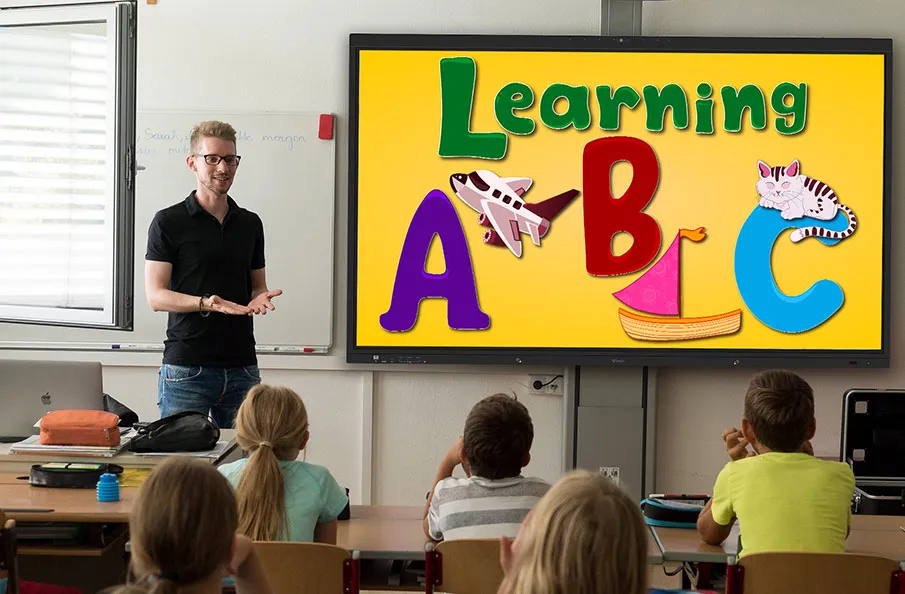
An Interactive whiteboard can allow teachers, students, employees, trainers, and presenters to write, draw, annotate, display presentations, open digital resources, and interact with content directly on a large screen. Unlike a traditional whiteboard, it can connect with computers, tablets, smartphones, cloud platforms, educational applications, and video conferencing systems.
The growing popularity of interactive whiteboard technology is closely related to the rise of smart classrooms, hybrid workplaces, digital meetings, and collaborative learning. Schools can use interactive boards to create more engaging lessons, while businesses can use them for brainstorming, presentations, training, and project planning.
Interactive Whiteboard Technology for Digital Learning
An Interactive whiteboard is a digital board designed to combine visual presentation with direct user interaction. Modern systems commonly use touch technology, allowing users to tap, write, draw, move objects, and interact with applications directly on the screen.
In an educational environment, an interactive classroom whiteboard can become the central display for lessons. Teachers can present digital textbooks, slides, diagrams, videos, websites, images, and educational software without needing multiple separate presentation tools.
The touchscreen capability makes the experience more engaging. Instead of simply displaying a presentation, teachers can write notes over slides, highlight important information, draw diagrams, or manipulate digital objects. This can help create a more active learning environment.
For example, a mathematics teacher can use an interactive board to solve equations while explaining each step. A science teacher can display diagrams or animations to demonstrate complex processes. A geography teacher can use digital maps to explore locations, while a language teacher can combine written content with audio and visual resources.
Digital annotation is another important feature of interactive board technology. Teachers can make notes directly on documents, presentations, websites, or images. Depending on the software, these notes can be saved and shared with students after a lesson.
An interactive whiteboard can also support different learning activities. Students may participate by solving problems on the screen, presenting projects, annotating content, or contributing to group exercises. This can make lessons more collaborative and give students opportunities to engage directly with educational material.
Interactive Whiteboard for Classrooms and Student Engagement
The growing adoption of Interactive whiteboard technology in education reflects the increasing demand for engaging digital learning environments. Modern students are familiar with smartphones, tablets, computers, and digital applications, and interactive classroom tools can help educators incorporate similar technology into lessons.
One major advantage of an
Interactive whiteboard for classrooms is multimedia support. Teachers can combine text, images, videos, animations, websites, and interactive exercises within a single lesson. This can provide multiple ways of presenting information and make difficult subjects easier to demonstrate visually.
Interactive boards can also support collaborative learning. Instead of having one student work independently at a desk, teachers can organize group activities around the shared display. Students can discuss a problem, interact with digital content, and present their ideas to classmates.
Wireless screen sharing can further expand classroom collaboration. Students and teachers may be able to share content from laptops, tablets, or smartphones to the interactive board. This can be useful for presentations, project demonstrations, and group discussions.
Another useful capability is saving classroom work. Notes created during a lesson can potentially be stored digitally rather than being erased at the end of class. Teachers may be able to save annotations, diagrams, and explanations for later review.
This feature can also help students who need additional time to review lesson material. Digital resources can potentially be shared after class, giving learners another opportunity to study important concepts.
However, successful implementation requires more than installing an interactive digital whiteboard. Teachers need training to use the technology effectively. Educators should understand the available tools and know when interactive technology adds value to a lesson.
The goal should be to use technology as a teaching aid. Traditional explanations, discussions, reading, writing, and hands-on learning can continue to work alongside digital tools. A balanced approach can help ensure that technology supports educational goals rather than becoming a distraction.
Interactive Whiteboard for Business and Collaboration
The use of an Interactive whiteboard is not limited to schools. Businesses are increasingly adopting interactive displays for meetings, brainstorming, presentations, training, workshops, and collaborative projects.
In a conference room, employees can use an interactive whiteboard for business meetings to display presentations, reports, charts, websites, documents, and other content. Participants can annotate information during discussions, highlight important details, and organize ideas directly on the screen.
Digital whiteboarding is particularly useful for brainstorming. Teams can create diagrams, write ideas, organize concepts, and develop project plans on a shared digital workspace. Because the content can often be saved, employees can return to their ideas during future meetings instead of starting from scratch.
Wireless presentation technology can make business meetings even more flexible. Employees can share content from laptops, smartphones, and tablets without depending entirely on physical cables. When several people need to present, switching between devices can become easier.
An interactive meeting room display can also support hybrid work. When connected to video conferencing and collaboration software, a team can communicate with remote participants while working with shared digital content. This can make meetings more inclusive for employees working from different locations.
Training departments can also benefit from interactive whiteboard technology. Trainers can display instructional material, demonstrate software, annotate documents, and conduct collaborative exercises. Digital notes can potentially be saved for future training sessions.
Businesses should also consider security when implementing interactive technology. Meetings can involve confidential documents, customer information, business strategies, and internal projects. Organizations should therefore evaluate network security, access controls, software permissions, and device management.
Choosing an Interactive Whiteboard?
Selecting the right Interactive whiteboard depends on the intended environment and the needs of the users. Schools, universities, offices, and training centers may require different features, so organizations should evaluate practical requirements before making a decision.
Screen size and resolution are important considerations for physical interactive boards. The display needs to be large and clear enough for everyone in the room to view text, graphics, presentations, and videos comfortably.
Touch responsiveness is also essential. Users should be able to write, draw, move objects, and navigate applications smoothly. Multi-touch capabilities can be particularly useful when several participants need to interact with the board simultaneously.
Connectivity is another major consideration. A modern interactive touchscreen whiteboard may need to connect with laptops, tablets, smartphones, wireless presentation systems, cameras, and video conferencing platforms. Broad device compatibility can make the technology more flexible.
Software support is equally important. The hardware should work effectively with the applications and digital platforms already used by the organization. Schools may prioritize educational software and classroom tools, while businesses may need collaboration applications and conferencing integration.
Long-term reliability should also be considered. Organizations should evaluate durability, software updates, warranty coverage, maintenance, technical support, and future compatibility. A well-supported system can remain useful for many years.
The best interactive whiteboard is not necessarily the one with the most features. A suitable solution should provide the right combination of performance, ease of use, connectivity, software compatibility, and functionality for the specific environment.
Conclusion
An Interactive whiteboard can modernize classrooms, offices, meeting rooms, and training environments by combining digital content with touchscreen interaction and collaboration tools. In education, it can support multimedia lessons, digital annotation, student participation, and collaborative learning. In business, it can improve presentations, brainstorming, training, project planning, and hybrid meetings.
As smart classrooms and digital workplaces continue to grow, interactive whiteboard technology is becoming an increasingly valuable part of modern communication. Its ability to combine writing, multimedia, wireless connectivity, digital collaboration, and interactive content makes it more versatile than a traditional whiteboard.


